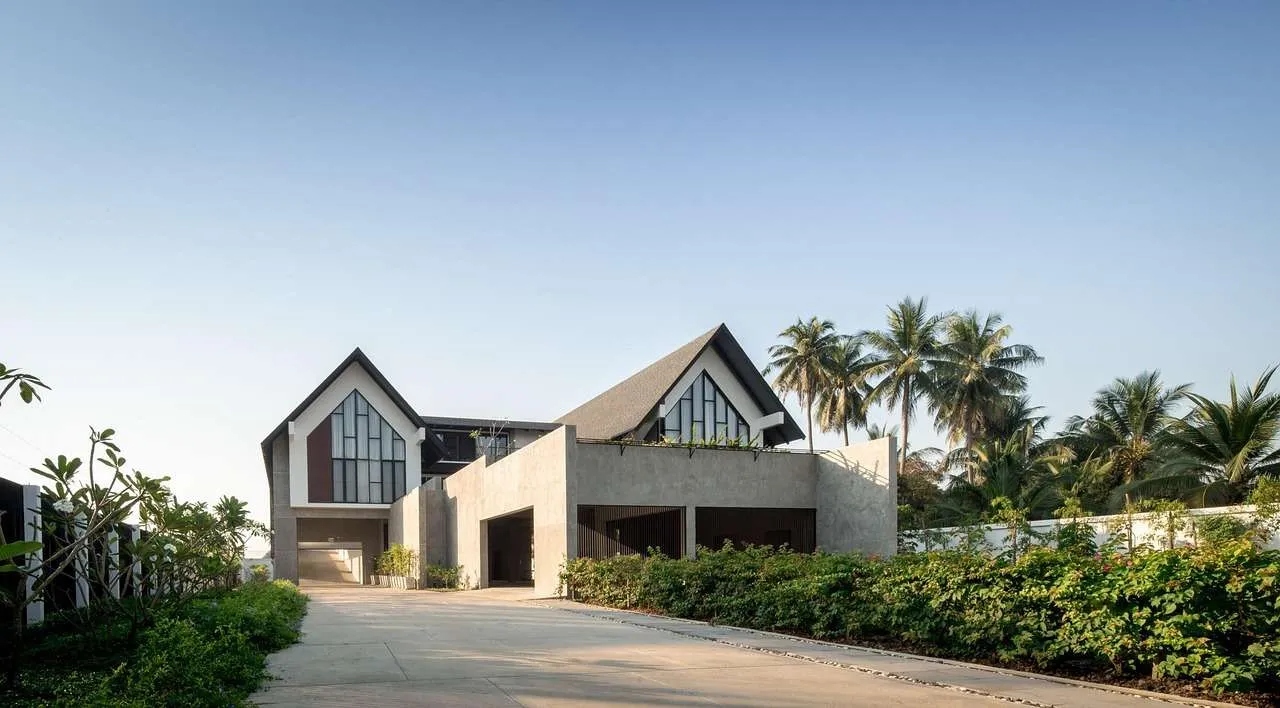
What is TPO Roofing?
TPO roofing stands for Thermoplastic Olefin, a popular single-ply membrane used on many commercial and some residential flat roof projects. Made from a blend of polypropylene and ethylene-propylene polymers, TPO sheets are typically white or light-colored to reflect sunlight. The seams are heat-welded, creating a monolithic, watertight barrier that performs well in diverse climates. Because the material is flexible and lightweight, it adapts to roof parapets, penetrations, and odd roof shapes with relative ease. When installed by qualified professionals, tpo roofing offers a durable, energy-efficient option for modern flat roofs.
Benefits of TPO Roofing
Energy efficiency and reflectivity. The reflective white surface of most TPO membranes helps reduce roof surface temperatures, which can lower cooling loads for the building and contribute to energy savings, especially in hot, sunny climates.
Cost-effectiveness. Compared with some alternatives, TPO provides a favorable balance of upfront cost and long-term performance. It often costs less than PVC while delivering comparable durability, particularly when properly installed.
Ease of installation and repair. TPO is available in large rolls, simplifying field installation. Repairs are typically straightforward and involve heat-welding patches over damaged areas, which can reduce downtime during maintenance.
Durability and versatility. Modern TPO formulations resist punctures and tearing, and they handle thermal expansion and contraction well. The membrane is compatible with various roof substrates and attachment methods, from fully adhered to mechanically fastened or ballasted systems.
How TPO Is Installed
Installation methods influence performance and longevity. Common approaches include:
- Mechanically attached: The membrane is fastened to the roof deck with mechanical anchors and plates, then seams are heat-welded.
- Fully adhered: The membrane is glued to a prepared substrate for a smooth, wind-resistant surface; often used on roofs with complex details.
- Ballasted: The membrane is laid over a layer of ballast (such as stone) to hold it in place; this method avoids adhesives and can be faster on large, flat rooftops.
Typical thickness options range from 40 mil to 60 mil, with 60 mil offering extra puncture resistance for higher-traffic roof areas. A critical factor is proper seam welding and quality control during installation. A professional installer will verify substrate readiness, environmental conditions, and adhesion or fastener specifications to maximize wind uplift resistance and waterproofing performance.
Maintenance, Lifespan, and Warranties
With proper care, tpo roofing can provide reliable performance for 15–30 years, depending on formula, installation quality, and climate. Routine maintenance includes annual inspections, prompt repair of any punctures or seam separations, and keeping drains and edges clear of debris. Manufacturers’ warranties typically cover membrane integrity and seam performance for a period ranging from 10 to 20 years, with some high-end products offering longer coverage. Working with a licensed contractor who can document testing, welding quality, and warranty terms helps protect your investment.
Cost Considerations and ROI
Installed costs for TPO roofing vary by region, roof size, thickness, and attachment method. Typical ranges are $5 to $8 per square foot installed, though larger projects or premium warranties may shift that figure. While the first-year cost may seem higher than some alternatives, energy savings from reflective surfaces and the potential for longer service life can improve the overall return on investment. When evaluating proposals, factor in seam quality, warranties, local climate, and the contractor’s track record with tpo roofing systems.
TPO vs Other Membranes: A Quick Comparison
Choosing the right flat roof membrane depends on climate, building use, and long-term goals. TPO often strikes a balance between cost, reflectivity, and durability, making it a strong all-around option. It is commonly compared against EPDM, PVC, and modified bitumen. EPDM offers excellent low-temperature performance and cost but typically lacks the reflective properties of TPO. PVC provides strong durability and chemical resistance but can be more expensive and less environmentally friendly to manufacture. Modified bitumen is a proven option with good UV resistance but may involve more complex installation and fewer seamless repair options than TPO. The right choice depends on site conditions, energy goals, and contractor qualifications.
Table: Quick Membrane Comparison
| Membrane Type | Advantages | Disadvantages | Lifespan (typical) | Typical Installed Cost (per sq ft) |
|---|---|---|---|---|
| TPO | Energy-efficient reflectivity, lighter weight, cost-effective, easy to weld seams | Quality varies by manufacturer; long-term performance depends on installation | 15–30 years | $5–$8 |
| EPDM | Excellent low-temperature performance, durable and flexible | Generally less reflective; seams can be prone to data wear if poorly installed | 20–30+ years | $4–$7 |
| PVC | High chemical and puncture resistance; strong seam integrity | Higher cost; environmental concerns in production | 20–30 years | $7–$12 |
| Modified Bitumen | Proven performance; good for aging roofs; repairable surface | Heavier; longer install times; fewer seamless options | 15–25 years | $5–$9 |
Informed decisions come from consulting with a licensed roofer who specializes in flat-roof membranes. Ask about product certifications, installation training, and references from projects with similar exposure. A transparent contractor will provide a written warranty, performance expectations, and a maintenance plan tailored to your building’s needs and local climate.
How to Choose a TPO Installer
- Verify licensing and insurance; ask for current certification from the membrane manufacturer.
- Request recent project photos and client references in your region.
- Inspect the proposed warranty terms, seam-welding quality, and post-installation inspection plan.
- Get a detailed written proposal covering membrane thickness, attachment method, and expected life cycle.
With the right approach, tpo roofing can deliver a reliable, energy-efficient, and cost-conscious flat-roof solution that stands up to weather and time.
Conclusion, tpo roofing offers a balanced combination of reflectivity, durability, and installability when performed by qualified professionals. By understanding installation methods, maintenance needs, and how it compares to alternative membranes, building owners can align their roofing strategy with long-term energy savings and performance goals.